By Wayne Beyer, published by the Wahpeton Daily News
The Red River of the North is one of America’s great rivers. The Twin Towns mark its confluence, where the Bois de Sioux and Otter Tail rivers meet. It is North America’s longest north-flowing river, stretching 395 miles in the United States and 158 miles in Canada.
My childhood farm was a half-mile away. I followed fence lines to fish its shorelines, locating fallen trees and climbing onto them so my bait stayed in the current instead of drifting to shore. I sold frogs for 50 cents a dozen to fishermen from Iowa, Nebraska, Missouri and Kansas.
I collected clams, ate wild plums, climbed trees and waded to islands. Later, while reading The Adventures of Huckleberry Finn by Mark Twain, I smiled at the similarities between Huck’s adventures and my own. Generations of children have benefited from growing up near a river, experiencing the simple joy of mud squeezing between their toes while exploring its shorelines.
Fishing is outstanding for channel catfish, which are both abundant and delicious. The river is also known for walleyes, smallmouth bass, bullheads and carp. The Red River Area Sportsmen’s Club sponsors popular events such as the Vince Herding Youth Fishing Derby and the Dick Bell Catfish Tournament.
Shoreline access is available throughout the community. The North Dakota Game and Fish Department has funded fishing piers in Chahinkapa Park and at the Kidder Recreation Area, making the river even more accessible.
Hunting is another treasured outdoor tradition along the Red River. We enjoyed hunting white-tailed deer and red foxes. I helped pay for my college education by trapping raccoons. One memorable adventure was canoeing the river all night with my friend Doug Herrick, shining two-cell flashlights along the shoreline in search of glowing raccoon eyes.
The Red River also provides habitat for many other animals, including mink, beavers, skunks, muskrats, coyotes, woodchucks, cottontails, jackrabbits and squirrels.
Birdwatching is exceptional. Colorful species such as wood ducks, northern cardinals, pileated woodpeckers, Baltimore orioles, indigo buntings and belted kingfishers can all be spotted along the river.
Canoeing and kayaking are favorite recreational activities. Public accesses sites at the Kidder Recreation Area, Brushvale Bridge and Fort Abercrombie provide excellent half-day and full-day trips. Canoes and kayaks can be rented through Wahpeton Parks and Recreation.
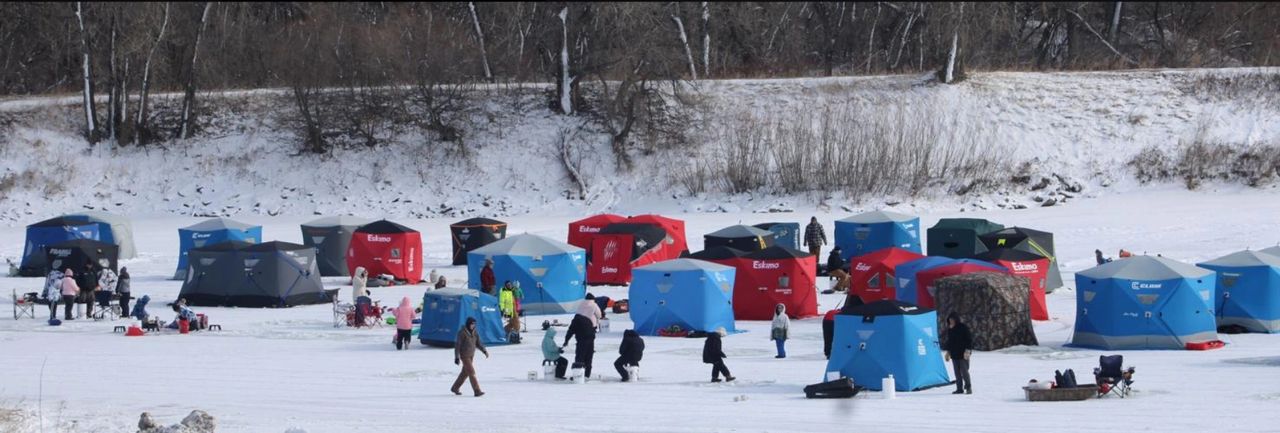
In winter, the river corridor offers opportunities for cross-country skiing, snowshoeing, ice fishing and sledding.
Tourism is an important part of the local economy, and Wahpeton proudly features Wahpper, the nation’s largest catfish statue. Many times, I enjoyed greeting out-of-state visitors stopping to take photographs.
The rich soil of the Red River Valley rests on the former floor of glacial Lake Agassiz. Our farm and garden produced abundant harvests, reinforcing the valley’s reputation as the “Breadbasket of the World.”
Chahinkapa Zoo’s Red River Water Festival introduced area students to the importance of the river. Environmental education can be both enjoyable and inspiring for learners of all ages.
The beautifully manicured Bois de Sioux Golf Course, divided by the Red River, is the only golf course in the nation with its front nine and back nine located in two different states.
Trails follow the river throughout the valley. Among my favorite places to run are the riverside trails in Wahpeton, Fargo and Grand Forks.
Rivers offer a peaceful escape into nature. They are ideal places to sit beneath cottonwood, elm, ash and oak trees or simply enjoy the outdoors.